Skip to content
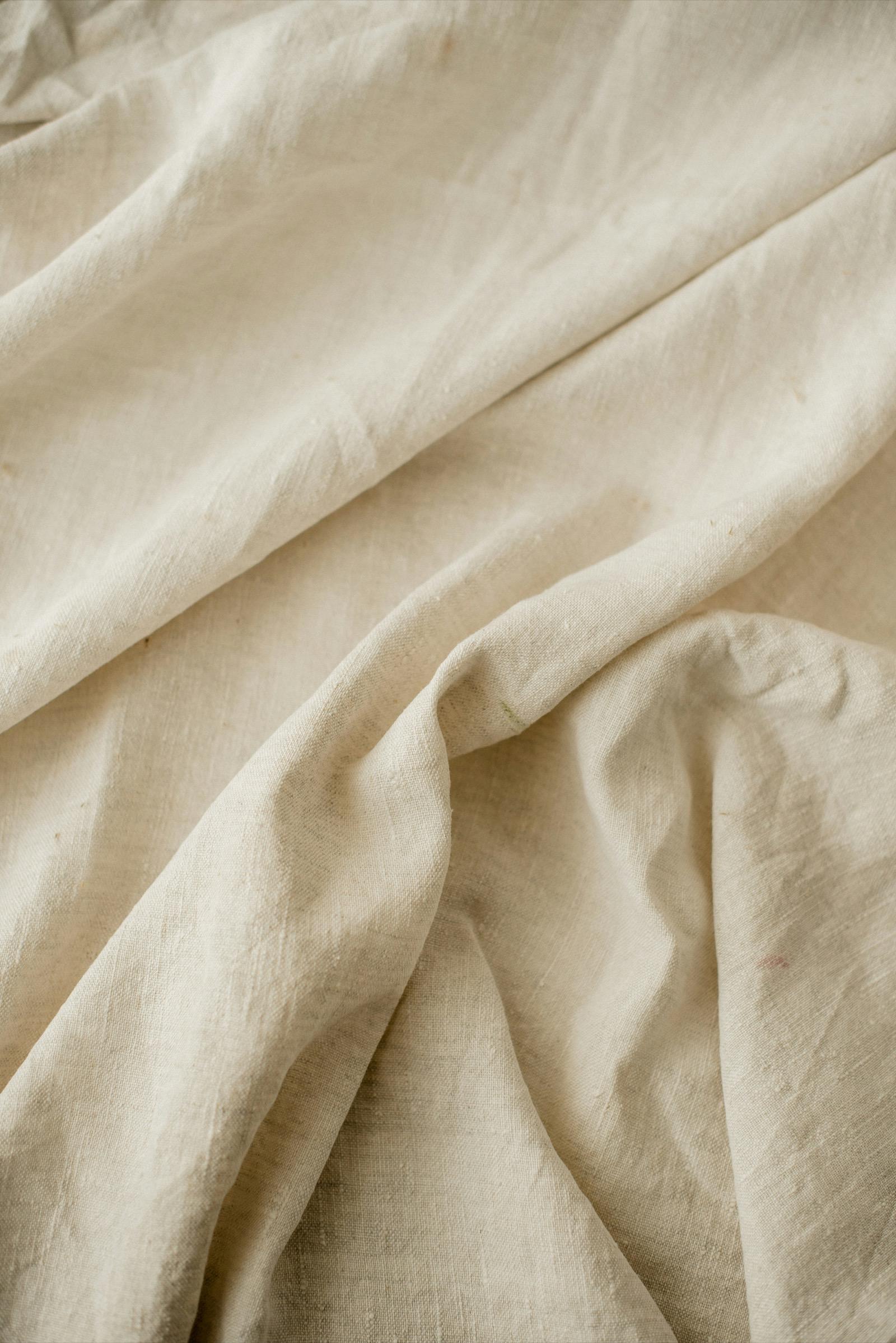
Folded linen fabric, close
The fabric guide

Fibre, weave and pattern.

What each fabric is, what it is best for, how it wears in Windhoek's heat and cool, how formal it reads, and how to look after it. Each entry shows the fabrics in our library of that kind.

Fibres, what the yarn is.

The fibre decides most of how a suit breathes, creases and wears. Wool is the default for good reason; mohair, linen and cotton each trade something for coolness.

Woollen

Shorter fibres, bulkier yarn, softer and fuzzier surface. Includes flannel and tweed; runs heavier than worsted.

Best for
winter suits, jackets, trousers
Climate
Cool weather
Wears
Creases a little; smart casual
Care
Brush, rest two days, re-press creases

Not in the library this season. Ask us and we will tell you what we can source.

Super numbers

States maximum mean fibre diameter under the IWTO code (80s at 19.75 microns, each step of ten 0.5 microns finer). Finer means softer, but high Supers lack body and wear out faster. It does not measure length, crimp or strength.

Best for
understanding softness against durability
Climate
Not a climate property
Wears
Creases a little; formal day
Care
Higher Supers need more rest between wears

Mohair and wool-mohair

Angora goat hair: strong and warm for its weight, crease-resistant, elastic, with a two-tone sheen. 5-15% adds crispness; half or more gives true mohair texture and lustre. Most are about 8 oz today.

Best for
evening, summer suits, sharp tailoring
Climate
Heat, and warm evenings
Wears
Rarely creases; evening
Care
Brush after wear and rest it between wears, as with wool.

Linen

Cool to the touch, breathable, absorbent, fast-drying. Wrinkles because it has no stretch. Irish 10-13 oz holds shape; Italian 7-10 oz wrinkles all over.

Best for
summer suits, summer jackets, trousers
Climate
Hot days
Wears
Creases with wear; smart casual
Care
Little brushing; rest two days; steam; wear shows at folds

Cotton

Wrinkles somewhat less than linen and can be woven tightly, but creases and does not steam out like wool. Casual, almost workwear in register.

Best for
casual suits, trousers
Climate
Warm, dry days
Wears
Creases with wear; smart casual
Care
Creases with wear and does not steam out as readily as wool. Care is confirmed with you when the fabric is ordered.

Cotton-linen

A blend used for summer trousers and shirts, cooler than wool and more relaxed in register.

Best for
summer trousers, casual suits
Climate
Hot days
Wears
Creases with wear; smart casual
Care
Care is confirmed with you when the fabric is ordered.

Silk

Lacks body, so best for dinner-jacket facings or cream summer jackets; usually blended for look and feel. Wool/silk/linen is the standard Italian summer jacketing.

Best for
dinner-jacket facings, summer jacket blends
Climate
Heat, in blends
Wears
Creases a little; business and day events
Care
Care is confirmed with you when the fabric is ordered.

Not in the library this season. Ask us and we will tell you what we can source.

Weaves, how it is made.

The same wool woven two ways becomes two different suits. An open weave lets air through; a close one holds a crease and drapes.

Plain or tropical weave

Over one, under one. The most stable construction; can be very light and airy without losing stability, and breathes better than twill.

Best for
summer suits, linen, high-twist
Climate
Heat
Wears
Creases a little; business and day events
Care
As for the fibre

Fresco and high-twist

Plain weave in tightly twisted 2- to 4-ply yarn, open structure. More breathable than other worsteds and more crease-resistant; dry, crisp, sometimes scratchy. Core bunches 280-310 g.

Best for
summer suits, summer trousers, travel
Climate
Hot days
Wears
Rarely creases; business and day events
Care
Wrinkles hang out overnight; lining trousers reduces coolness

Hopsack

A double plain weave, two threads by two. Usually means a light, breathable, dry-finished worsted for summer blazers; denser 13-15 oz hopsacks are suitings.

Best for
summer blazers, half-lined jackets
Climate
Heat
Wears
Rarely creases; business and day events
Care
Brush; rest a day

Twill

Diagonal weave, usually 2 by 2. Denser and heavier than plain weave in the same yarn; holds shape better; breathes less.

Best for
suits, trousers
Climate
All year
Wears
Rarely creases; formal day
Care
Brush; rest a day

Gabardine

A twill denser in the warp. The tight weave holds its shape and a crease; drapes well in wool.

Best for
trousers, suits
Climate
All year
Wears
Rarely creases; business and day events
Care
Brush; rest a day

Barathea

A dense, matte weave that reflects less light, so it looks blacker. The classic dinner-suit cloth, usually woven heavier than 300 g.

Best for
black tie, evening
Climate
Evenings
Wears
Rarely creases; evening
Care
Brush; store with space; dry-clean rarely

Sharkskin

A smooth suiting woven in two tones, so its surface shifts slightly with the light: plain at a distance, with depth up close.

Best for
business suits, evening events
Climate
All year
Wears
Rarely creases; formal day
Care
As worsted

Serge

French name for a 2 by 2 twill; in practice a slightly milled woollen with visible twill.

Best for
trousers, suits
Climate
All year to cool
Wears
Rarely creases; business and day events
Care
As wool

Not in the library this season. Ask us and we will tell you what we can source.

Tweed

A textured woollen; the most casual suit cloth on the formality scale. Half-lining makes a tweed jacket closer to three-season; avoid unlined on hairy tweeds.

Best for
jackets, country and weekend
Climate
Cool weather
Wears
Rarely creases; casual
Care
Brush; rest two days

Donegal tweed

An Irish tweed with a rough, characterful surface, for jackets and cool weather.

Best for
jackets, winter
Climate
Cool weather
Wears
Rarely creases; casual
Care
As tweed

Seersucker

Plain-weave base with puckered stripes, originally from two warp yarns that shrink differently; now usually elastane in one yarn.

Best for
summer suits, casual
Climate
Heat
Wears
Creases with wear; smart casual
Care
Care is confirmed with you when the fabric is ordered.

Not in the library this season. Ask us and we will tell you what we can source.

Cavalry twill

A complex twill with great body and drape.

Best for
trousers, overcoats
Climate
Cool weather
Wears
Rarely creases; business and day events
Care
As wool

Not in the library this season. Ask us and we will tell you what we can source.

Herringbone

A twill whose diagonal reverses at regular intervals. Adds interest without losing seriousness; counts as texture on a business suit.

Best for
second or third suit, jackets
Climate
Depends on weight and fibre
Wears
Rarely creases; formal day
Care
As the fibre

Mesh, mock leno and basket weave

Two tight yarns hold the structure while two float, so the cloth is necessarily open and breathable. Hold it to the light to judge coolness.

Best for
summer jackets
Climate
Heat
Wears
Rarely creases; smart casual
Care
Brush; avoid snagging

Not in the library this season. Ask us and we will tell you what we can source.

Patterns and colour, how formal it reads.

A plain dark fabric goes anywhere. Stripes read as business, checks as country and day, and black is for the evening.

Chalk stripe

A wider stripe, usually on flannel, with a soft line. Breaks into separates more easily than a worsted stripe suit.

Best for
winter business, separates
Climate
Cool weather
Wears
Creases a little; business and day events
Care
As flannel

Banker and rope stripe

Bolder stripes. The bank-livery origin is probably apocryphal; rope stripes are associated with barristers as a confident statement.

Best for
statement business
Climate
Any
Wears
Rarely creases; business and day events
Care
As worsted

Windowpane

Single lines forming large squares. Ranges from anonymity to recklessness; start large but faint on a dark ground.

Best for
business with character, jackets
Climate
Any
Wears
Rarely creases; business and day events
Care
As the cloth

Glen check and Prince of Wales

A twill design of checks of varying size; strictly, Prince of Wales has a coloured overcheck. From the 1840 Seafield estate check, adopted by Edward VII. Faint reads as business texture; bold reads as sportswear.

Best for
business, day events
Climate
Any
Wears
Rarely creases; business and day events
Care
As the cloth

Houndstooth

A 2 by 2 twill with a 4-and-4 colour sequence, giving jagged checks. Smart, but below formal.

Best for
jackets, smart casual suits
Climate
Any
Wears
Rarely creases; smart casual
Care
As the cloth

Not in the library this season. Ask us and we will tell you what we can source.

Herringbone (as pattern)

Reads as texture at a distance; acceptable in business and a good second suit.

Best for
business, second suit
Climate
Any
Wears
Rarely creases; formal day
Care
As the cloth

Black and midnight (colour)

Black is too harsh for business; black and midnight blue are the evening colours, midnight looking blacker under artificial light.

Best for
evening, black tie
Climate
Evenings
Wears
Rarely creases; evening
Care
Brush; dark cloth shows dust

Cream and ivory (colour)

The lasting summer and tropical exception to dark eveningwear; pale colours are otherwise more casual.

Best for
summer evening, summer day events
Climate
Heat
Wears
Rarely creases; business and day events
Care
Shows marks; treat stains promptly

Sources

This guide is written by the house from the published sources below. Where they give figures but not a verdict, the verdict is ours. Weights in the library are as the mill records them.

  1. "A guide to high-twist bunches", Permanent Style (Simon Crompton), 2019
  2. "Staples for a hot climate: Reader question", Permanent Style, 2016
  3. "How to dress for very hot weather", Permanent Style, 2017
  4. "A guide to mohair", Permanent Style, 2024
  5. "A guide to linen bunches", Permanent Style, 2018
  6. "The guide to linen", Permanent Style, 2018
  7. "The guide to summer trouser cloths", Permanent Style, 2017
  8. "The guide to flannel", Permanent Style, 2017
  9. "Superfines: The story of refining wool", Permanent Style, 2017
  10. "The guide to worsted suitings", Permanent Style, 2016
  11. "The guide to cloth: Weaves and designs", Permanent Style, 2017
  12. "The guide to cloth for black tie (or tuxedo)", Permanent Style, 2020
  13. "The basics of selecting cloth", Permanent Style, 2016
  14. "Suits and shirts: A sliding scale of formality", Permanent Style, 2025
  15. "Suit Style 5: Selecting colour and pattern", Permanent Style, 2018
  16. "If you only had five business suits: A capsule collection", Permanent Style, 2019
  17. "How to look after your suits", Permanent Style, 2008
  18. "Half-lined and unlined jackets", Permanent Style, 2010
  19. "The guide to hopsack (and mesh, mock leno and basket weave)", Permanent Style, 2023
  20. "A Different Stripe", The Rake
  21. "Different types of checks and their origins", The Rake
  22. "Heritage", Fox Brothers & Co
  23. "S number (wool)", Wikipedia (summarising the IWTO Fabric Labelling Code of Practice and the US Wool Products Labeling Act as amended 2006)
  24. "Fabric weight and conversions", Fashion-Incubator
  25. "Windhoek" (climate section and table; 1991–2020 normals credited to the Namibia Meteorological Service and WMO/NOAA), Wikipedia

Know what you want? Find it in the library.

Filter the fabrics by season, occasion and fibre, or answer three questions and we suggest three.

NextHelp me chooseThree questions, three fabrics, and the reasons.